_(1).jpg "Chapter 1. 'The Start' - Gardening tips by expert Floor Korte - Floor's Moestuin")
Chapter 1. 'The Start' - Gardening tips by expert Floor Korte - Floor's Moestuin
The start of vegetable gardening
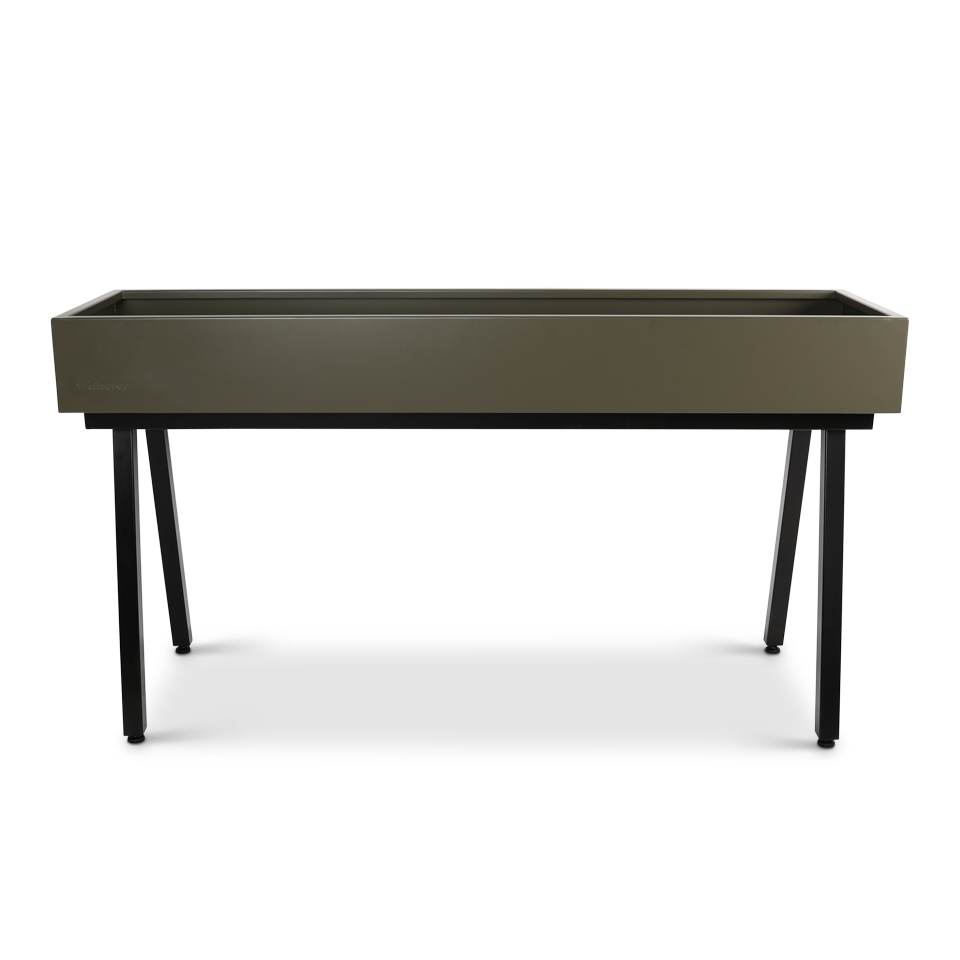
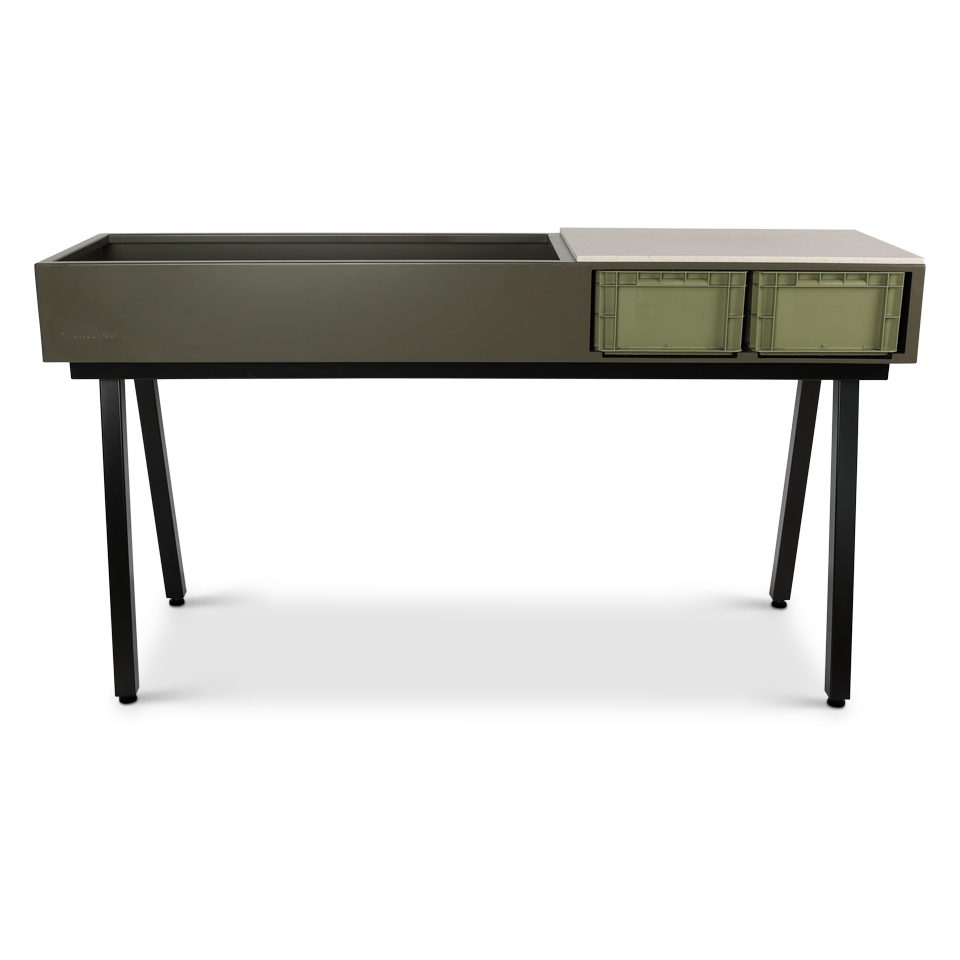
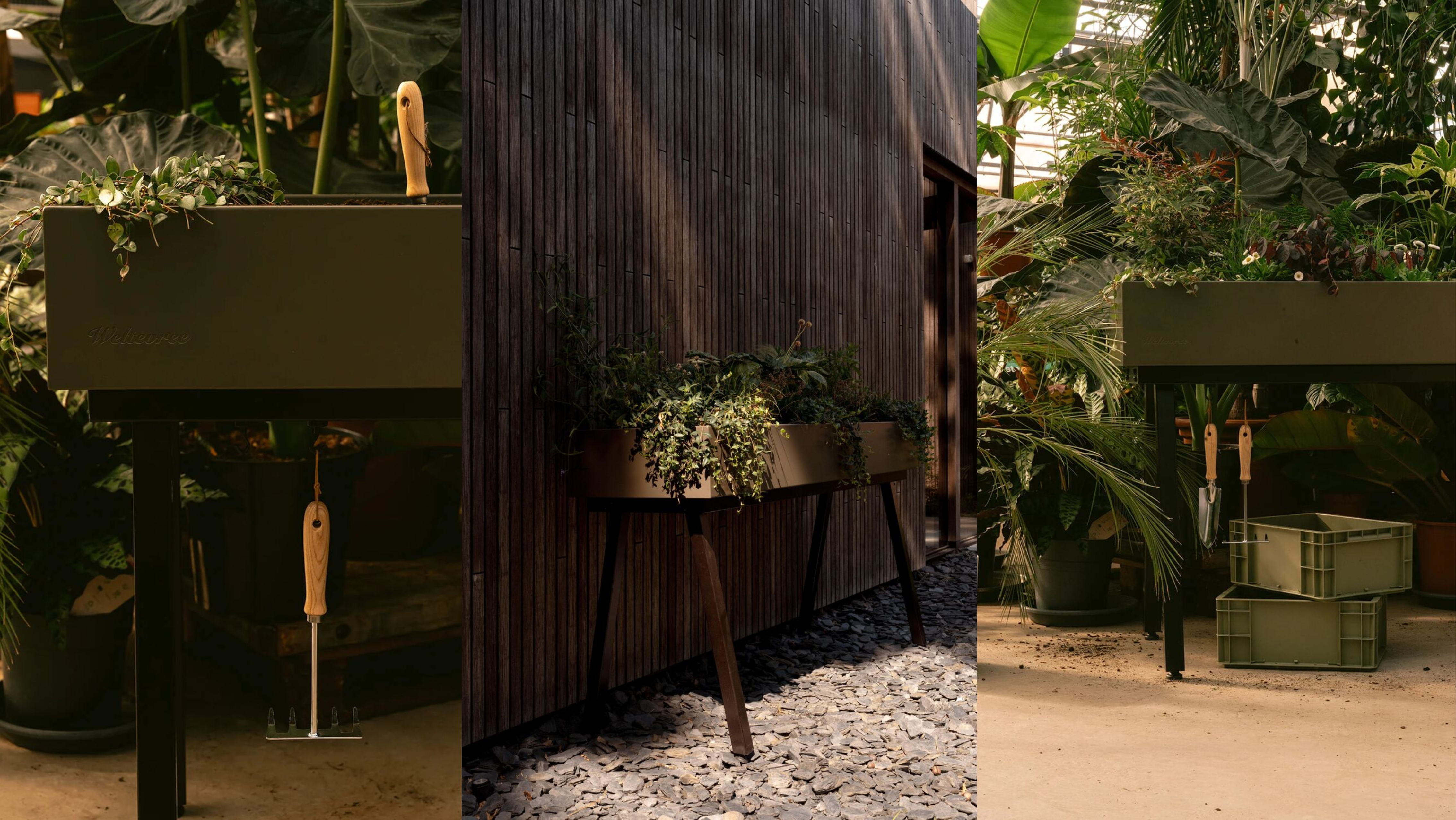
Where is the best place to start with a vegetable table such as the Gardenworks or the Gardenworks Station?
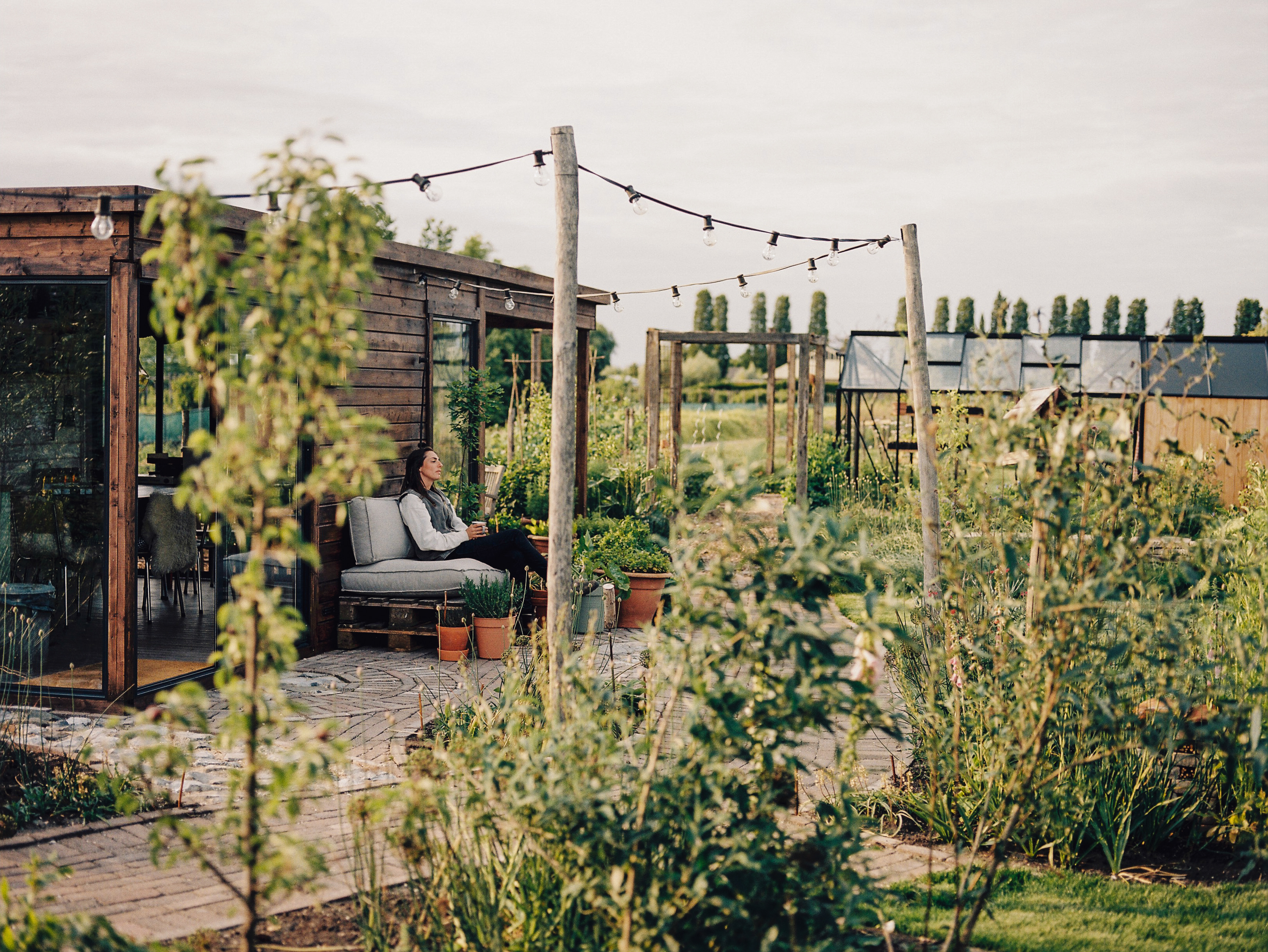
Place the table in a spot that gets plenty of sun, because most plants simply grow best with lots of sunlight. If you're going for a table full of edible plants, it's a good idea to place it close to the back door or kitchen. That way, you can easily harvest when you're cooking, and using the table will become a natural part of your day.
Which soil or potting mixes do you specifically recommend for use with Gardenworks to maximize plant growth?
Always choose nutritious, clean soil in which seeds can germinate well and plants can grow strong. The soil is the engine of your plants. I personally choose a universal, organic potting soil: it contains sufficient nutrients for the first three months, is free of pesticides, and is safe to eat the plants from, so I would definitely not skimp on this. Mix about ¼ organic compost into the potting soil. This is clean, contains no weed seeds, and improves the soil structure. First, place a layer of hydro granules at the bottom of the table. These absorb excess water, gradually release it to the plants, and prevent the roots from rotting.
Amount of soil Gardenworks:
160 liters total
– 3 bags of 40 liters of organic potting soil
– 1 bag of 40 liters of organic compost
– 1 bag of 20 liters of hydro granules for the bottom
How many plants is ‘too many’ in a table like this? And what is the tip for not planting plants too close together?
Sowing or planting too close together happens faster than you think, because young plants still look small. But they grow, and need space to root, absorb water, and find nutrients. If you plant them too close together, they will crowd each other out.
Therefore, always check the plant label or follow the sowing distances indicated on the seed packet. This will give each plant enough space to grow healthily.
How do you apply crop rotation and succession planting in a raised vegetable garden bed with limited depth?
Crop rotation is not really necessary in this raised bed, because we do not grow crops that leave diseases in the soil, such as cabbage or potatoes. These crops also require a lot of nutrients and space, which is not the case in this bed.
Succession planting, on the other hand, is a great way to make optimal use of the bed. This means that after harvesting a crop, such as radishes, you sow or plant something new. For example, you could plant dwarf tomatoes or sow another round of spinach or arugula in that spot. This allows you to get much more out of your bed during the season.